Navigating Safety: Essential Fall Protection Systems for Abrasive Wheels in the UK's Workplaces
When it comes to industrial work environments, particularly those involving Abrasive Wheels, safety should always be at the forefront. With the potential hazards associated with the use of Abrasive Wheels, implementing effective fall protection systems and utilizing safety equipment can mean the difference between a safe workplace and one fraught with danger. This post will cover the importance of safety equipment, the training required for its proper use, and the legal requirements that ensure compliance with safety standards across London, Manchester, Birmingham, Liverpool, Leeds, and beyond.
Understanding the Risks Associated with Abrasive Wheels
Abrasive Wheels are powerful tools used for cutting, grinding, and polishing various materials. Unfortunately, if misused, they can pose significant safety risks, including:
- Physical injuries from flying debris
- Burns from excessive heat
- Hearing damage from noise
- Falls due to improper setup and operation
The Role of Safety Equipment in Preventing Accidents
Proper safety gear is essential to mitigate these risks. Below are various types of safety equipment critical in Abrasive Wheels operations:
1. Personal Protective Equipment (PPE)
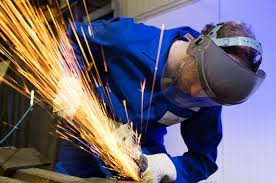
- Face Shields: These protect the face and eyes from flying particles. Ensure they are made from polycarbonate for maximum visibility and resistance.
- Goggles: Fit snugly against the face to provide an additional layer of eye protection.
- Protective Gloves: Worker’s hands are often at risk; hence, durable gloves should be worn to protect against cuts and abrasions.
2. Machine Guards
These systems protect the operator by covering moving parts of the equipment that could lead to accidents. Guards should be:
- Secured and adjustable for effective protection
- Made of robust materials capable of withstanding impacts
3. Fall Protection Systems
For operations involving elevated surfaces or where falls could occur, robust fall protection systems such as harnesses, lanyards, and guardrails must be integrated to ensure worker safety.
Training: The Keystone of Safety Compliance
Having safety equipment in place is necessary, but without proper training, its effectiveness is severely compromised. Comprehensive training ensures that workers know how to use Abrasive Wheels safely and how to correctly wear and employ safety gear. In the UK, formal training programs are available throughout major cities:
- Abrasive Wheels Course London
- Abrasive Wheels Course Manchester
- Abrasive Wheels Training Birmingham
- Abrasive Wheels Certification Leeds
Key Components of Effective Training
- Understanding the types of Abrasive Wheels
- Identifying potential hazards
- Recognizing the importance of using correct personal protective equipment
- Using machinery safely and minimizing risk exposure
Legal Requirements for Safety Gear Usage
According to British safety legislation, employers are required to provide workers with adequate safety equipment and ensure proper training on how to use it effectively. Ensuring that the safety gear meets industry standards is indispensable:
- Equipment should be compliant with the Health and Safety Executive (HSE) guidelines.
- Regular audits and inspections of equipment must be conducted.
Conclusion: Invest in Safety Today
Ensuring a strong safety culture in workplaces across London, Manchester, Birmingham, Liverpool, Leeds, and other cities in the UK isn’t just the law—it’s an essential part of promoting a positive working environment. Implementing reliable fall protection systems and investing in Abrasive Wheels safety equipment can save lives and prevent lifelong injuries. Don't wait for an incident to occur; take proactive steps to ensure compliance through adequate training. Enroll in a certified Abrasive Wheels Course in the UK today and safeguard your workplace.
For further information, questions, or to register for training, contact us at info@the UK-safetytraining.com.